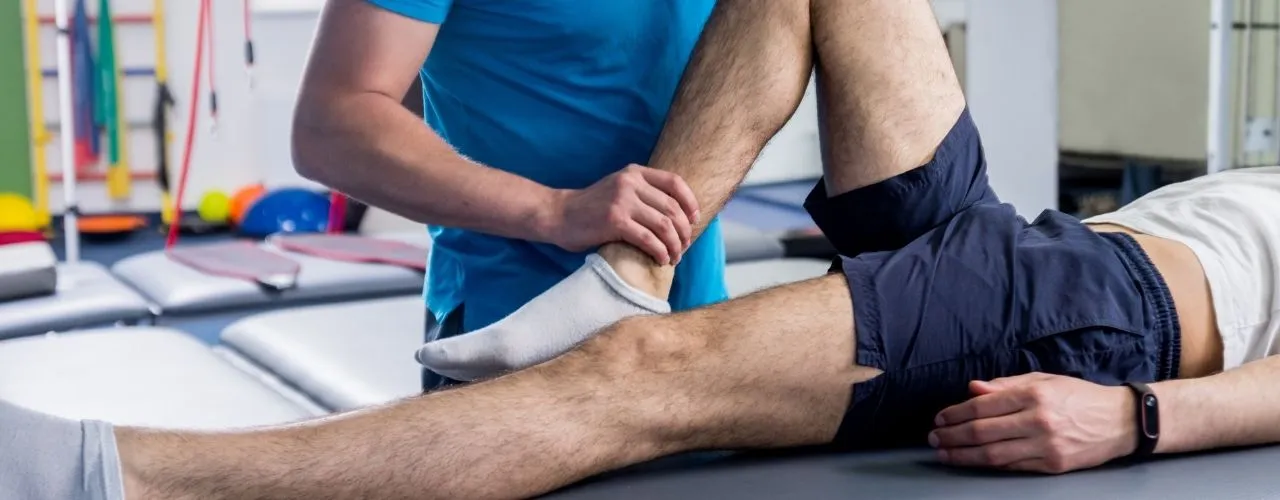
What is sports massage?
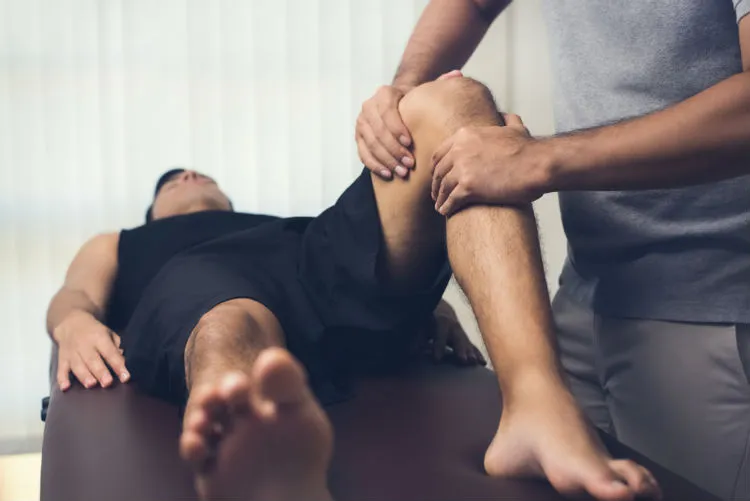
From a bird's-eye view, sports massage is fairly self-explanatory: it is massage that helps you get better at your sport. In practice it is a toolbox. A runner with tight calves, a lifter with a cranky shoulder and a soccer player coming back from a hamstring strain all need different things, so your therapist starts by assessing how your body is moving and talking with you about any injuries that are getting in the way of performance.
From there we put together a plan designed for your body. Some sessions are focused on one stubborn area. Others are a full tune-up between hard training blocks. Either way, the goal is the same: keep your body functioning at a high level so recovery never becomes the thing that holds you back.
Techniques you might experience
Our therapists use whatever combination of techniques your body needs that day. Many of them are done while moving the muscle through its full range of motion, so the tissue is treated in the way it actually works when you train and compete.
- Assessment of your body's needs and movement
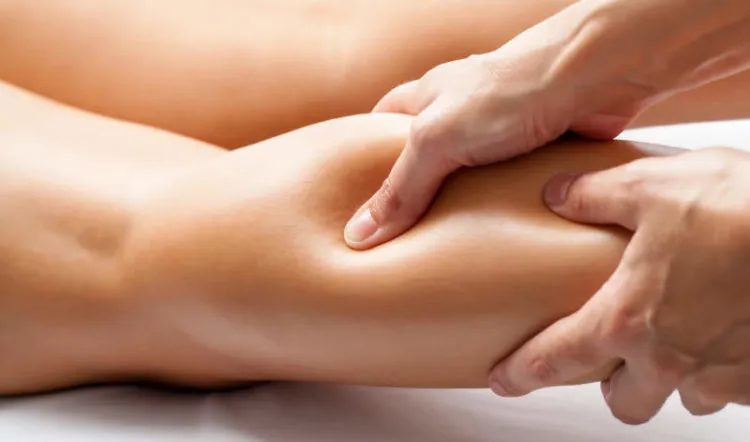
- Deep tissue massage
- Trigger point therapy
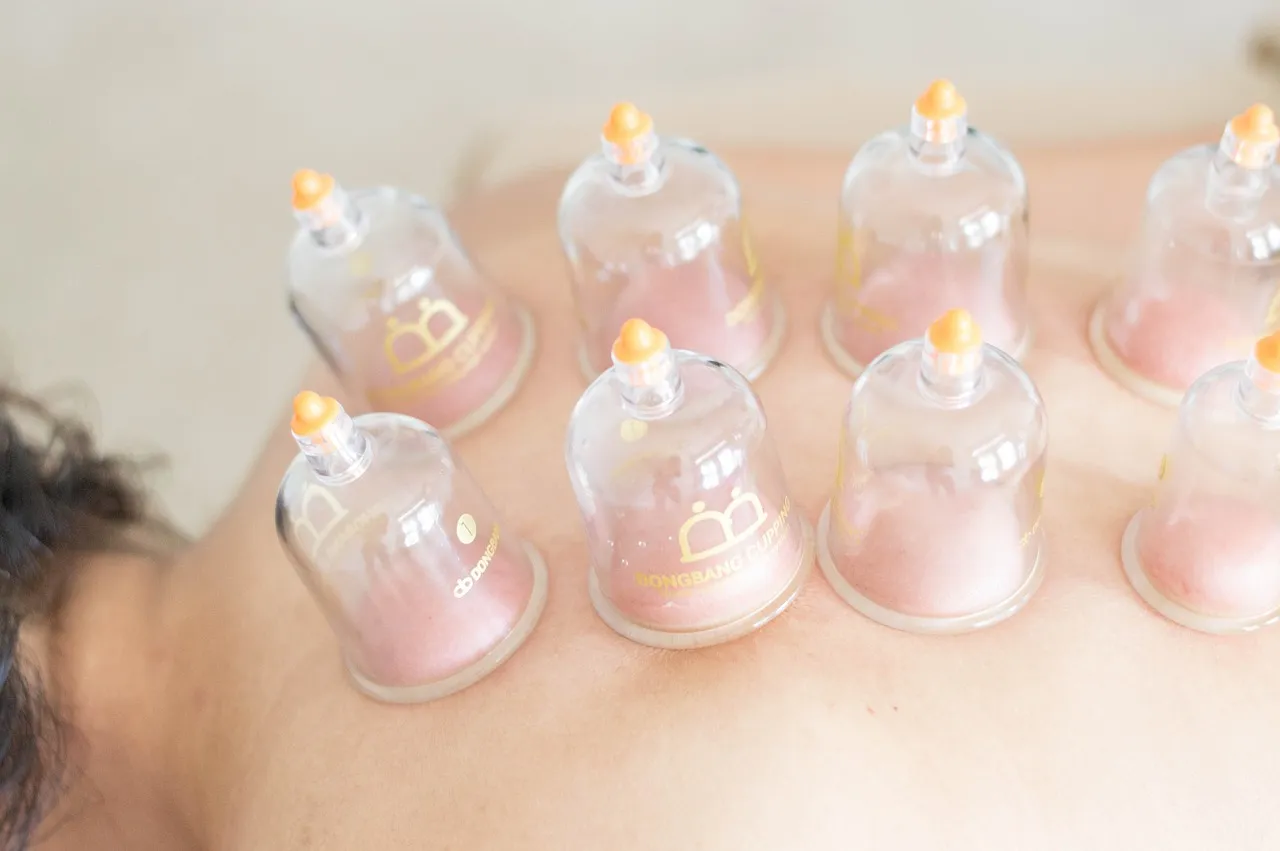
- Cupping therapy
- Graston Technique, Gua Sha and muscle scraping
- IASTM (instrument-assisted soft tissue manipulation)
- Marc Pro electrical muscle stimulation
- Percussive therapy and recovery stretching
Who sports massage is for
Our clients include NFL and NBA athletes, collegiate athletes in a long list of sports, triathletes, runners, bodybuilders and plenty of weekend warriors. You do not need to be a pro to benefit. If you train consistently, compete in anything, or simply want your body to keep up with the activities you love, sports massage is for you.
It is especially useful when you are ramping up training volume, preparing for a race or season, coming back from time off, or dealing with tightness that stretching and foam rolling have not fixed.
When to book
Timing depends on your goals. Lighter, faster work in the days before an event can help you feel loose without leaving you sore. Deeper work fits best after a competition or during a recovery week, when your body has time to respond. During a training block, a regular maintenance session every two to four weeks helps you catch small problems before they turn into injuries.
Not sure where to start? Book a 60-minute session and tell your therapist what you are training for. We will build the plan from there.