IT band syndrome vs. runner's knee
The iliotibial (IT) band is a thick strip of connective tissue that runs down the outside of your thigh from the hip to just below the knee. IT band syndrome usually shows up as a sharp or burning pain on the outside of the knee that starts predictably partway through a run and gets worse with downhills.
Runner's knee, or patellofemoral pain, is a dull ache around or behind the kneecap. It's often worse going down stairs, squatting, or after sitting for a long time with your knees bent.
Both are overuse issues. Common contributors include a quick increase in mileage, lots of downhill running, weak or tight hips, and tight quads.
How massage helps
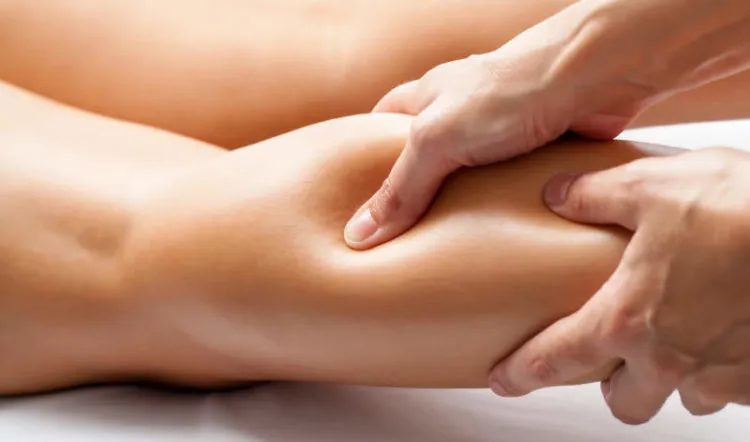
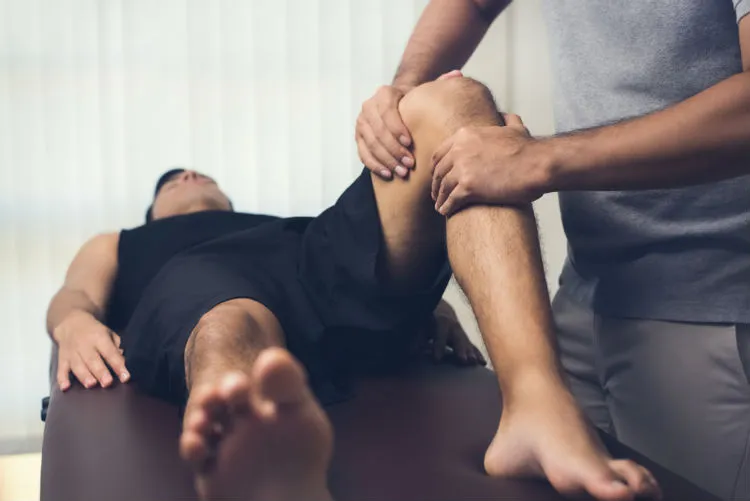
The IT band itself is very strong and doesn't stretch much, so the most useful work happens in the muscles that connect to it and control your knee. We focus on the hips, glutes, quads and outer thigh to reduce the tension pulling on the knee.
- Glute and hip work, including the TFL
- Deep tissue on the quads and outer thigh
- Instrument-assisted scraping along the thigh
- Cupping to decompress tight areas
- Trigger point work in the hips
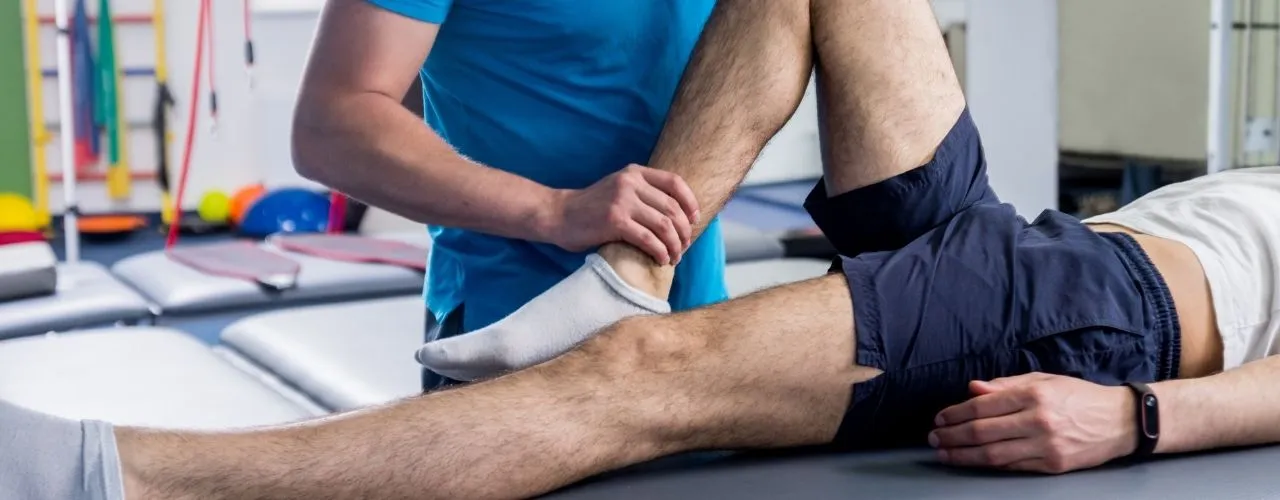
- Assisted stretching for the hips and quads
What to expect
Your therapist will ask about your training, where exactly it hurts and when the pain shows up. Expect most of the session to be spent above the knee. Work on the outer thigh can be intense, so speak up any time and we'll adjust.
Most runners feel looser afterward and notice the difference on their next run. For lasting results, pair massage with hip strengthening and a sensible plan for mileage, and space sessions so you're not sore before a key workout.
Between sessions
Most IT band and runner's knee problems improve when you change the load on the knee for a while and build strength around the hip. Common steps include:
- Cut back mileage and downhill running temporarily
- Add hip strengthening like side planks, clamshells and side-lying leg raises
- Foam roll the quads, glutes and outer hip, not just the painful spot
- Check that your shoes aren't worn out
- Increase cadence slightly to reduce impact per stride
- Cross-train on a bike or in the pool if running aggravates it
When to see a doctor
Get your knee checked by a medical provider if it's swollen, locks or gives way, if pain followed a twist or fall, or if it hasn't improved after a few weeks of reduced training. Those can point to a structural injury that needs a different approach.