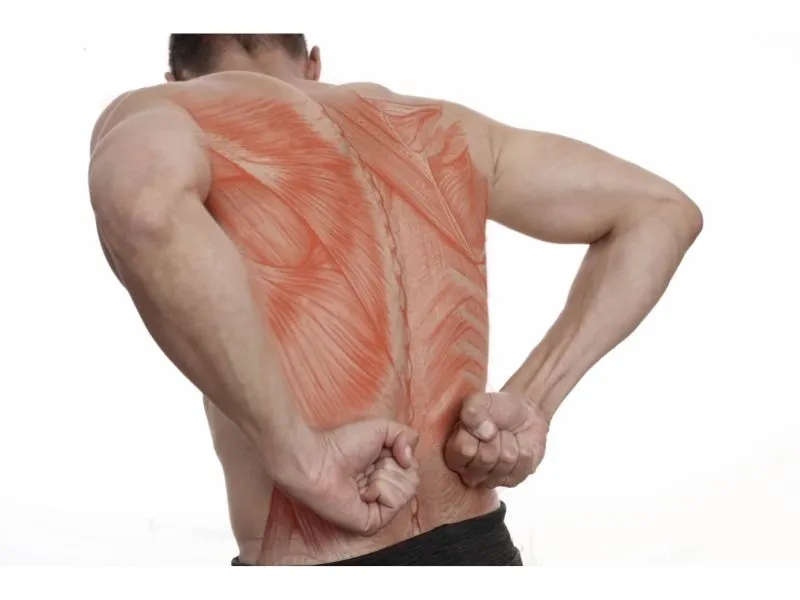
Why low backs get tight
Your low back sits between your hips and your rib cage, so it takes on extra work when either of them isn't moving well. Heavy lifting, long hours sitting, sudden twisting, carrying kids, yard work and ramping up training too fast can all leave the back muscles sore and guarded.
Sometimes those muscles tighten up into a protective spasm that makes it hard to stand up straight. Other times it's a dull, nagging ache that gets worse the longer you sit.
How massage helps
We don't just work where it hurts. Tight glutes, hip flexors and hamstrings are some of the biggest contributors to low back pain, so a typical session includes all of them.
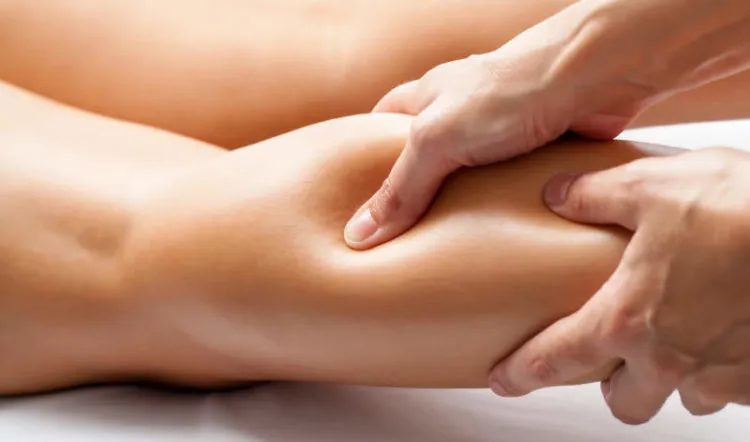
- Deep tissue work on the low back muscles
- Glute and deep hip work
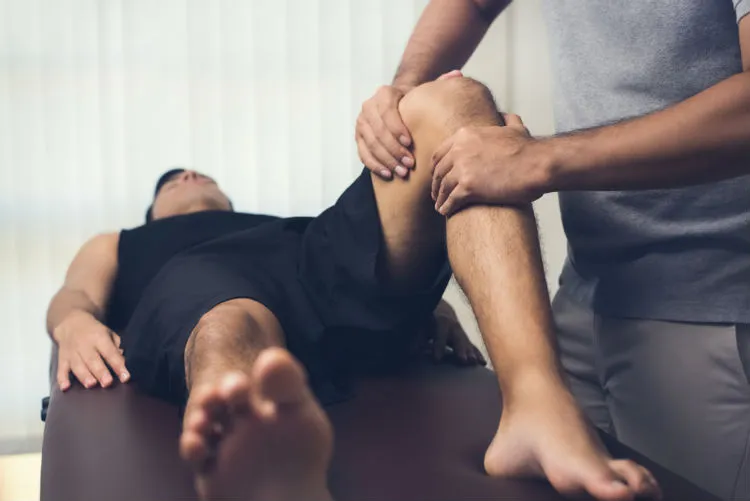
- Hip flexor release
- Trigger point therapy for referred pain
- Cupping along the back
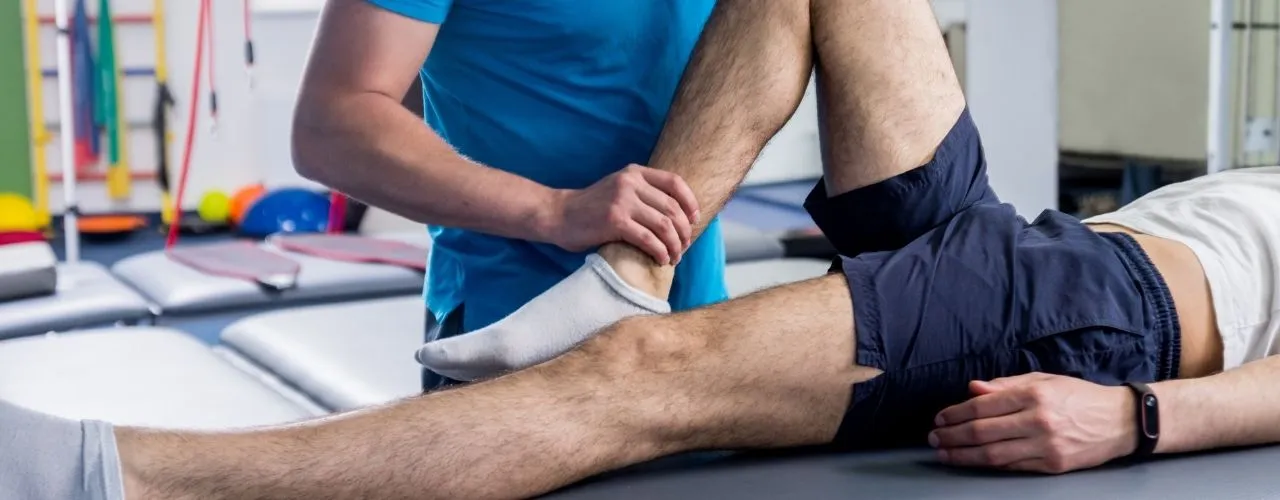
- Gentle movement and assisted stretching
What to expect
Your therapist will ask how the pain started, what positions make it better or worse, and what you need to get back to. If you're in an acute flare-up, we'll start gently and position you so you're comfortable on the table.
Most clients stand up feeling looser and moving more easily. For ongoing back pain, regular sessions combined with staying active and building strength through your hips and core tend to work best.
Between sessions
For most everyday back pain, staying gently active beats bed rest. Habits that help between appointments include:
- Walk daily, even short walks help
- Break up long periods of sitting every 30 to 45 minutes
- Stretch the hip flexors and hamstrings
- Build glute and core strength once the flare-up settles
- Use heat to ease tight muscles
- Lift with your hips and legs, and ease back into heavy training
When to see a doctor first
Get medical care right away if back pain comes with loss of bladder or bowel control, numbness in the groin or inner thighs, leg weakness, fever, or follows a significant fall or accident. See a provider soon if pain shoots below the knee, keeps getting worse, or hasn't improved after a few weeks.