Why hamstrings get hurt
Your hamstrings are three muscles along the back of your thigh that bend your knee and extend your hip. They work hardest when you sprint, kick, change direction or lean forward to pick something up. Most strains happen when the muscle is lengthening under a heavy load, like the moment before your foot strikes the ground at top speed.
Fatigue, a quick jump in training, poor warm-ups, tight hips and a previous hamstring injury all raise the risk. That last one matters: when a strain heals, it can leave behind scar tissue and stiffness that make the area more vulnerable to a repeat injury.
How massage helps
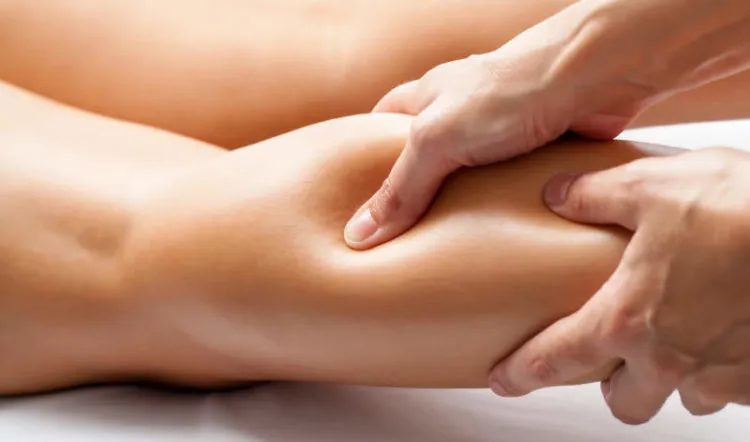
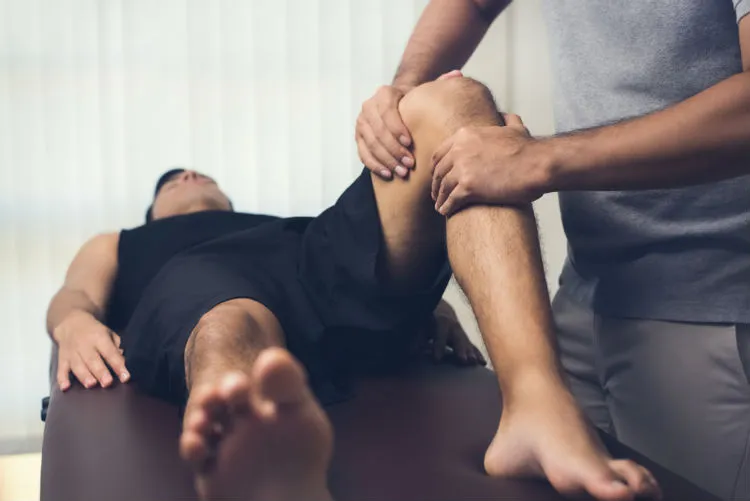
Once the initial injury has calmed down, massage can help the tissue heal in a more organized way and help you get your range of motion back. We also look above and below the injury, because tight glutes, hips and calves often add to the strain on the hamstring.
- Deep tissue and cross-fiber work on scar tissue
- Active release, working the muscle while you move it
- Instrument-assisted scraping
- Cupping to decompress tight tissue
- Glute, hip and calf work
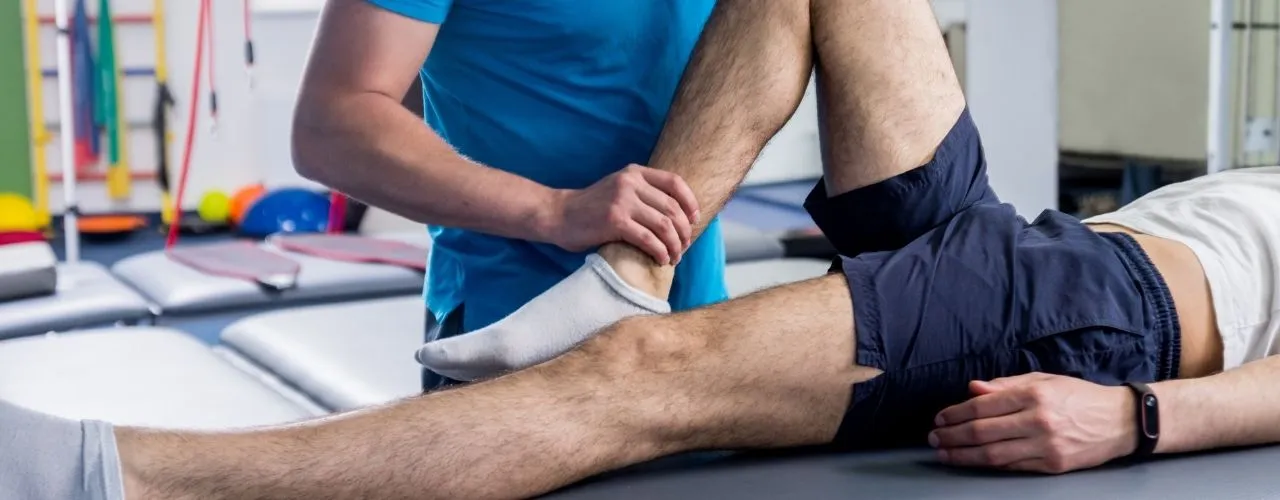
- Assisted stretching to restore length
Timing matters
In the first few days after a fresh strain, the priority is protecting the muscle. Gentle work around the area can still help, but deep work directly on a new injury can do more harm than good. As healing progresses, sessions get more focused and more active.
For an older injury that keeps nagging, we can go straight to work on the scar tissue and tightness that's holding you back. If you're preparing for a race or season, tell your therapist your timeline and we'll plan sessions so you're loose, not sore, when it counts.
Between sessions
Hamstrings heal best when they're loaded gradually rather than rested completely. Follow your provider's plan, and keep these in mind:
- Keep walking and moving within a pain-free range
- Add strengthening work as you're cleared, such as bridges and slow eccentric exercises
- Warm up thoroughly before any speed work
- Return to sprinting in stages, not all at once
- Pay attention to tightness early, before it becomes a re-injury
- Work on glute and hip strength, which takes load off the hamstrings
When to see a doctor
If you felt a pop, see significant bruising down the back of your leg, have trouble walking or can't bend your knee against resistance, get evaluated by a medical provider. Severe strains and tendon injuries may need imaging and a structured rehab plan, and we're glad to work alongside it.