What is plantar fasciitis?
The plantar fascia is a thick band of connective tissue that runs along the bottom of your foot from your heel to your toes. It supports your arch and acts like a spring every time you walk or run. When it gets overloaded, it becomes irritated and painful, usually right where it attaches to the heel.
The classic sign is sharp heel pain with your first steps in the morning or after sitting for a while, which often eases as you warm up and then returns after long periods on your feet. Common contributors include a quick jump in running or walking mileage, tight calves, long days standing on hard floors, worn-out shoes and changes in body weight.
How massage helps
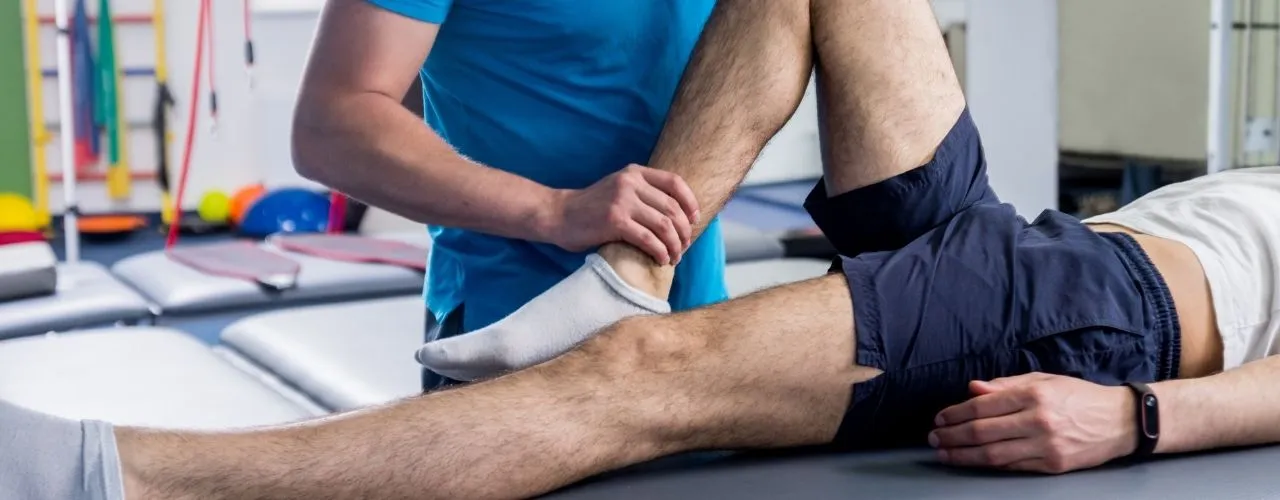
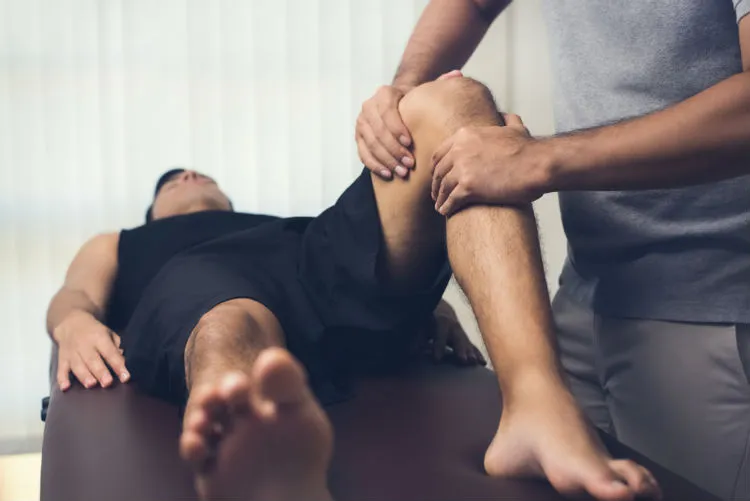
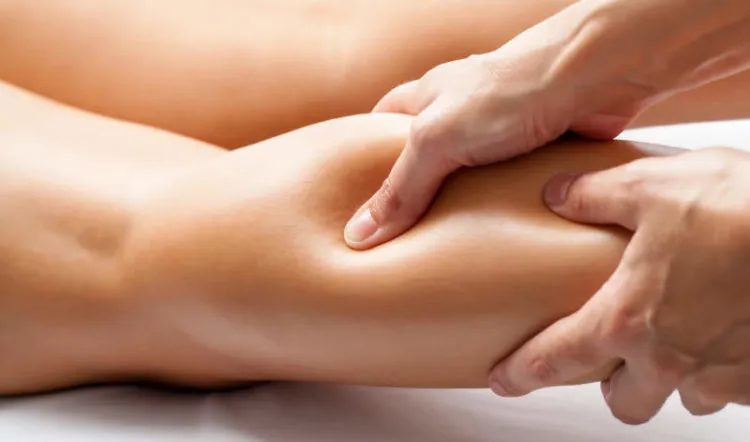
The foot rarely acts alone. Tight calf muscles and a stiff Achilles tendon increase the strain on the plantar fascia with every step, so we spend as much time on the lower leg as we do on the foot itself.
Your therapist may use:
- Deep tissue work on the calves and Achilles
- Targeted pressure along the arch and heel
- Instrument-assisted scraping (IASTM, Graston-style)
- Trigger point work in the calf and foot muscles
- Cupping on the calf to decompress tight tissue
- Assisted stretching for the calf and foot
What to expect
Your first visit starts with questions about when the pain started, what makes it worse and what you've already tried. Your therapist will check how your ankle moves and feel for tight spots from the foot up through the calf.
Work on the arch can be intense, but you're always in control of the pressure. Many clients feel looser and walk more comfortably right away. Plantar fasciitis usually improves over weeks rather than days, so most people do best with a short series of sessions alongside the stretching and strengthening work recommended by their doctor or physical therapist.
Between sessions
What you do between appointments matters as much as the time on the table. A few habits that help most people with plantar fasciitis:
- Stretch your calves daily, both with a straight knee and a bent knee
- Roll the arch gently on a ball or frozen water bottle
- Avoid going barefoot on hard floors while it's flared up
- Replace worn-out running or work shoes
- Build mileage back gradually instead of all at once
- Keep up any strengthening work from your PT, like calf raises
When to see a doctor first
See a medical provider if your heel pain started with a fall or sudden pop, if you can't put weight on your foot, if there's significant swelling, numbness or tingling, or if the pain hasn't improved after several weeks. They can rule out a stress fracture or nerve issue and confirm the diagnosis. Once you know what you're dealing with, we're happy to work alongside their plan.