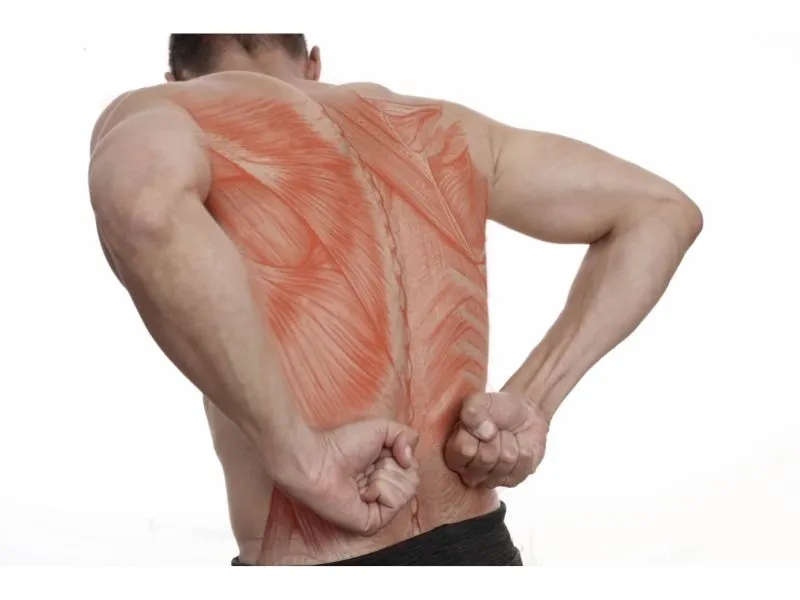
Common causes of shoulder pain
Most of the shoulder pain we see comes from muscles that are overworked, tight or out of balance. Repetitive overhead work, heavy pressing, throwing, long hours hunched over a laptop and sleeping on one side can all contribute.
Typical complaints include an ache at the front or side of the shoulder, a pinching feeling when you lift your arm overhead, stiffness reaching behind your back, and knots between the shoulder blades that refer pain into the neck and arm.
How massage helps
Your therapist starts by checking how your shoulder and shoulder blade move, then works on the muscles that are limiting you. That often includes the chest and upper back, not just the shoulder itself.
- Rotator cuff and shoulder blade muscles
- Pecs and lats, which pull the shoulders forward
- Neck and upper trap tension
- Trigger point therapy for referred pain
- Cupping across the upper back and shoulders
- Active work while you move your arm through its range
What to expect
We'll ask what activities bring the pain on and test your range of motion before and after the session so you can feel the difference. Much of the work happens with you moving your arm, which helps tight tissue release in the positions you actually use.
Many clients leave with noticeably better overhead reach. For recurring problems, regular sessions combined with shoulder blade and rotator cuff strengthening tend to give the best results.
Between sessions
Shoulders respond well to small, consistent habits. Between appointments, try to:
- Take breaks from long stretches at the desk and reset your posture
- Open up the chest with doorway stretches
- Strengthen the muscles between your shoulder blades with rows and band pull-aparts
- Warm up the rotator cuff before lifting, throwing or swimming
- Back off overhead loading briefly if it's pinching, rather than pushing through
- Notice your sleep position if you wake up stiff on one side
When to see a doctor
See a medical provider for shoulder pain after a fall or dislocation, significant weakness lifting your arm, pain that wakes you at night and won't let up, or numbness and tingling down the arm. Chest or left arm pain with shortness of breath needs emergency care right away.