If you’ve seen athletes with perfect circles on their backs and shoulders, you’ve seen cupping. It might look like a new trend, but it has been used in traditional medicine for thousands of years, across cultures from China to the Middle East.
Today, it’s a popular recovery tool for athletes and anyone dealing with tight, stubborn muscles. Here’s how it works and what to expect.
How cupping works
Most massage pushes tissue down. Cupping does the opposite.
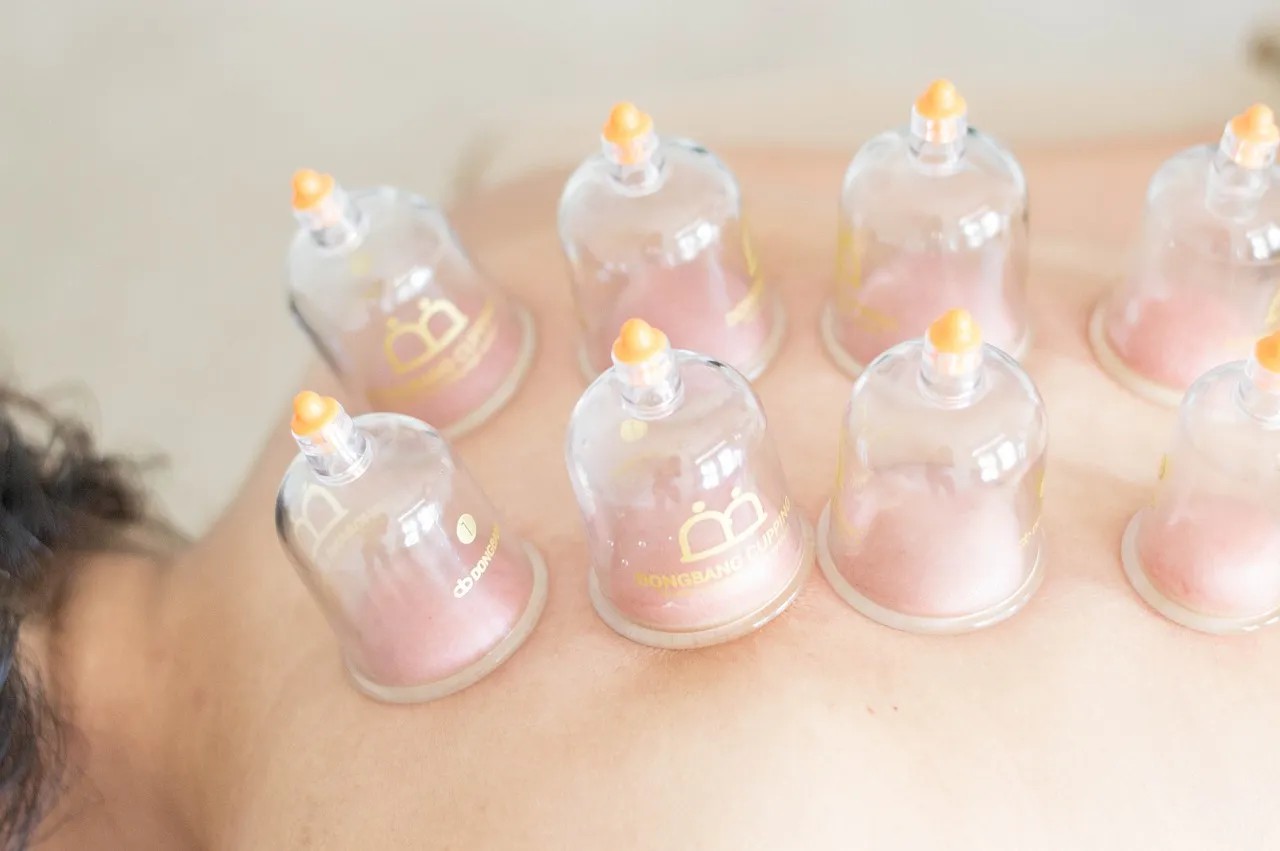
Your therapist places cups, usually silicone, plastic or glass, on your skin and creates suction. That vacuum gently lifts the skin, fascia and muscle up into the cup. The lift helps:
- Increase blood flow to the area
- Separate layers of tissue that have become stuck together
- Ease muscle tension that’s hard to reach with pressure alone
It’s commonly used on the back, neck and shoulders, but it can be used on legs, hips and other areas too.
Types of cupping
Static cupping. Cups are placed and left in one spot for a few minutes.
Moving (gliding) cupping. Your therapist applies a little oil and slides the cups across the skin. It works a lot like a reverse massage stroke and is great for large muscle groups like the back and hamstrings.
Dry vs. wet cupping. Dry cupping uses suction only, and it’s the type used in massage therapy. Wet cupping involves small cuts in the skin and is a separate practice performed by specially trained practitioners.
You may also hear about fire cupping, where heat is used to create suction in glass cups. Modern pump and silicone cups create the same effect without a flame.
What about the marks?
Cupping often leaves round red or purple marks. They’re not bruises from impact. They come from blood being drawn toward the surface under suction, and they usually fade within a few days to a week.
Marks vary from person to person and session to session. Darker marks don’t mean the treatment “worked better.” If you have a wedding, photo shoot or competition where you’d rather not have visible marks, tell your therapist and we’ll plan around it.
Benefits athletes look for
Research on cupping is still growing, but many athletes and clients use it for:
- Relief from muscle tightness and soreness
- Recovery between hard training sessions
- Nagging strains and overuse injuries
- Stiff, restricted fascia
At Total Muscle Therapy, cupping is one tool among many. We combine it with deep tissue, trigger point and scraping work so you get the benefits of each.
Who should avoid cupping?
Cupping is safe for most people, but let your therapist know if you:
- Take blood thinners or have a bleeding disorder
- Have a skin condition, open wound or sunburn in the area
- Are pregnant
- Have any medical condition you’re unsure about
When in doubt, check with your doctor first.
Try cupping in Lehi
Cupping is included in our sessions whenever your therapist thinks it will help. There’s no extra charge. Learn more about cupping therapy at TMT or book a session online.